
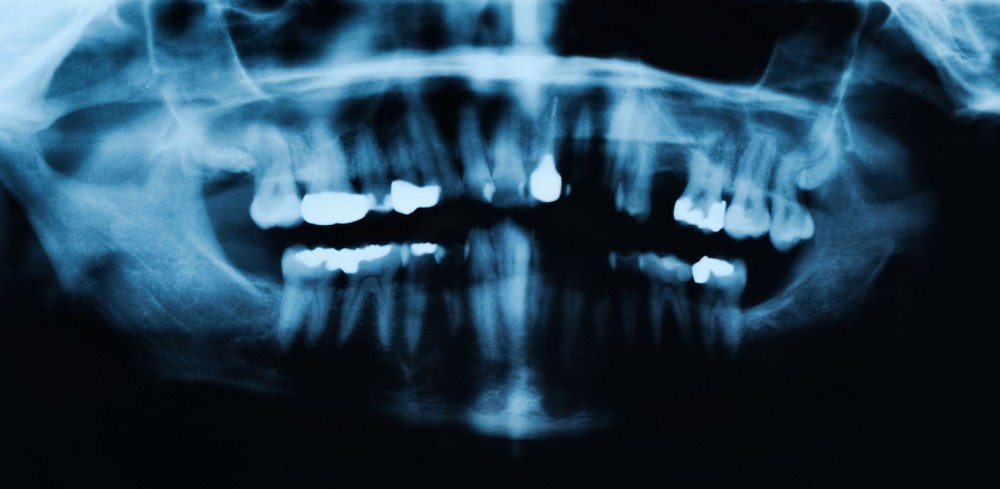
Bone Grafting in Oral Surgery: Reinforcing Foundations for Dental Implants
Dental implants represent a significant advancement in restorative dentistry, offering a durable and aesthetically pleasing solution for missing teeth. However, the long-term success of an implant relies heavily on the quality and quantity of the bone in which it is anchored. For many patients, the jawbone may have diminished over time due to tooth loss, trauma, or gum disease. In these clinical scenarios, bone grafting becomes an essential preparatory step.
This procedure, performed by oral and maxillofacial surgeons, regenerates bone tissue to create a solid foundation for future prosthetics. Understanding the biological mechanisms, types of grafts, and surgical techniques involved helps patients appreciate how Ft. Worth Oral Surgery ensures the stability and longevity of their dental rehabilitation.
The Biological Necessity of Sufficient Bone Volume
The alveolar bone is the portion of the jaw that anchors the teeth. It is maintained through the mechanical stimulation provided by chewing and biting. When a tooth is extracted or lost, this stimulation ceases, leading to a physiological process known as resorption. During resorption, the body breaks down the bone tissue and reabsorbs the minerals, causing the jawbone to shrink in both height and width. Studies indicate that a significant percentage of alveolar bone width can be lost within the first year following tooth extraction.
For a dental implant to be successful, it requires a specific volume of bone to ensure osseointegration—the structural and functional connection between the living bone and the surface of a load-bearing artificial implant. If the bone is too thin or soft, it cannot support the implant, leading to potential failure. This is where bone grafts 101 becomes relevant. By introducing grafting material to the deficient area, surgeons can stimulate the body’s natural healing response to regenerate solid bone, thereby restoring the necessary dimensions for implant placement.
Understanding Bone Grafting Materials
Bone grafting involves placing a scaffold of material into the area of bone loss. This scaffold serves as a framework upon which the patient’s own bone cells can grow. There are several types of grafting materials utilized in modern oral surgery, selected based on the specific needs of the patient and the extent of the defect.
Autografts
Autografts involve harvesting bone from the patient’s own body, typically from the chin, the rear of the jaw, or the hip. Because it is the patient’s own tissue, autografts are considered the “gold standard” as they contain living cellular elements that actively promote bone growth (osteogenesis) without the risk of immune rejection.
Allografts
Allografts utilize human bone obtained from a tissue bank. This material undergoes rigorous processing and sterilization to ensure safety. It acts primarily as a scaffold (osteoconduction) for the patient’s bone to grow across. Allografts eliminate the need for a second surgical site to harvest bone, which can reduce post-operative discomfort.
Xenografts
Derived from animal sources, typically bovine (cow), xenografts are processed at high temperatures to remove all organic components, leaving only the mineral structure. Like allografts, they serve as a scaffold for new bone formation. Over time, the body slowly replaces the xenograft material with natural bone.
Alloplasts
Alloplasts are synthetic materials, often made from hydroxyapatite or calcium phosphate. These materials mimic the mineral composition of natural bone and are safe and biocompatible options for patients who may object to using human or animal-derived tissues.
Common Clinical Applications of Bone Grafting
Oral surgeons employ various techniques depending on the location and severity of the bone deficiency. Understanding what a dental bone graft is for in specific contexts clarifies the treatment plan.
Socket Preservation
The most common form of bone grafting occurs immediately following a tooth extraction. Known as socket preservation or alveolar ridge preservation, this procedure involves placing grafting material directly into the empty socket. This proactive measure prevents the rapid bone resorption that typically follows extraction, preserving the natural contour of the ridge for future implant placement.
Ridge Augmentation
If teeth have been missing for an extended period, the alveolar ridge may have already atrophied, becoming too narrow or short. Ridge augmentation is a procedure designed to increase the volume of the ridge. This may be performed in conjunction with implant placement or as a separate procedure requiring a healing period before implants can be installed. This is vital because dental implants improve jawbone health only when anchored in sufficient tissue.
Sinus Lifts
The maxillary sinuses are air-filled cavities located above the upper back teeth. When these upper teeth are lost, the sinus floor may collapse downward, reducing the bone height available for implants. A sinus lift surgery involves elevating the sinus membrane and placing a bone graft between the membrane and the jawbone. This creates adequate vertical bone height to securely hold dental implants in the posterior maxilla.
The Procedure and Integration Process
Bone grafting is typically performed under local anesthesia, often supplemented with types of sedation for oral surgery to ensure patient comfort. The surgeon makes an incision in the gum tissue to expose the underlying bone. The selected grafting material is packed into the defect, often covered with a specialized membrane to protect the graft and prevent soft tissue from growing into the bone space. The gum tissue is then sutured back into place.
Following the procedure, a healing period of several months is usually required. During this time, the graft material consolidates and fuses with the existing bone. The timeline for integration varies depending on the type of graft used and the patient’s overall health. Once the surgeon confirms that the site has healed and the bone density is sufficient, the patient can proceed with the dental implant process.
Long-Term Benefits for Oral Health
While the primary goal of bone grafting is often to facilitate implant placement, the benefits extend to overall oral health and facial aesthetics. Maintaining the volume of the jawbone supports the facial structure, preventing the “sunken” appearance often associated with long-term tooth loss. Furthermore, a healthy jawbone provides stability for adjacent teeth, preventing them from shifting or loosening.
Patients considering full arch restoration, such as All-on-4 dental implants, may also require grafting or alveoloplasty (smoothing of the bone) to ensure a level interface for the prosthetic arch. The expertise of the oral surgeon in managing hard tissue is critical in these complex rehabilitation cases.
Post-Operative Care and Recovery
Recovery from a bone graft is generally straightforward. Patients may experience some swelling, bruising, and minor discomfort, which can be managed with prescribed medications. It is crucial to follow the surgeon’s instructions regarding diet and oral hygiene to prevent infection and disturbance of the graft site.
Smokers are advised to cease smoking prior to and following the procedure, as nicotine constricts blood vessels and significantly impairs bone healing. Successful outcomes rely heavily on the patient’s adherence to dental implant aftercare tips and grafting protocols. By maintaining a clean environment and avoiding mechanical stress on the surgical site, patients create the optimal conditions for bone regeneration.
Comparing Implants with Traditional Options
When discussing bone grafting, it is helpful to understand why patients choose this path over alternatives that do not require such preparation, like traditional dentures. While dentures sit on top of the gums, they do not stimulate the underlying bone, meaning resorption continues over time. This leads to the common complaint of loose or ill-fitting dentures. In the comparison of dental implants vs dentures, implants offer superior stability and halt bone loss, justifying the additional step of bone grafting for many patients.
A Foundation for Confidence
Bone grafting has revolutionized the field of implant dentistry by turning patients who were once considered “poor candidates” for implants into successful cases. By rebuilding the underlying architecture of the jaw, oral surgeons provide a foundation that supports not just a titanium screw, but a return to normal function, aesthetics, and confidence.
Whether correcting a small defect after a single extraction or reconstructing a significant portion of the jaw for extensive rehabilitation, the science of bone grafting is integral to modern oral healthcare. It ensures that the investment made in dental implants yields a permanent and robust result.
Fort Worth Oral Surgery delivers expert oral and maxillofacial care in a modern, patient-focused setting in the heart of Fort Worth, TX. Their board-certified surgeons combine clinical excellence with compassion, ensuring every patient feels informed, cared for, and confident. From wisdom teeth to dental implants, FWOS is trusted for safe, comfortable, and cutting-edge surgical solutions.
Follow Fort Worth Oral Surgery on social media for updates and information: Google & Facebook.