
Dental Implants: A Comprehensive Guide to Restoring Your Smile
Tooth loss is a significant oral health concern that affects millions of adults, impacting not only the aesthetics of a smile but also the functional ability to chew and speak properly. Whether caused by advanced periodontal disease, tooth decay, or facial trauma, the loss of natural teeth can lead to a cascade of physiological changes, including the resorption of the jawbone. Fortunately, modern oral and maxillofacial surgery offers a gold-standard solution: dental implants.
Unlike traditional removable prosthetics, dental implants are designed to mimic the structure and function of natural teeth. For patients seeking a permanent solution, Ft. Worth Oral Surgery provides advanced surgical care to restore oral function and aesthetics. Understanding the biological mechanisms, procedural steps, and long-term benefits of dental implants is essential for any patient considering this transformative restorative option.
The Anatomy and Physiology of Dental Implants
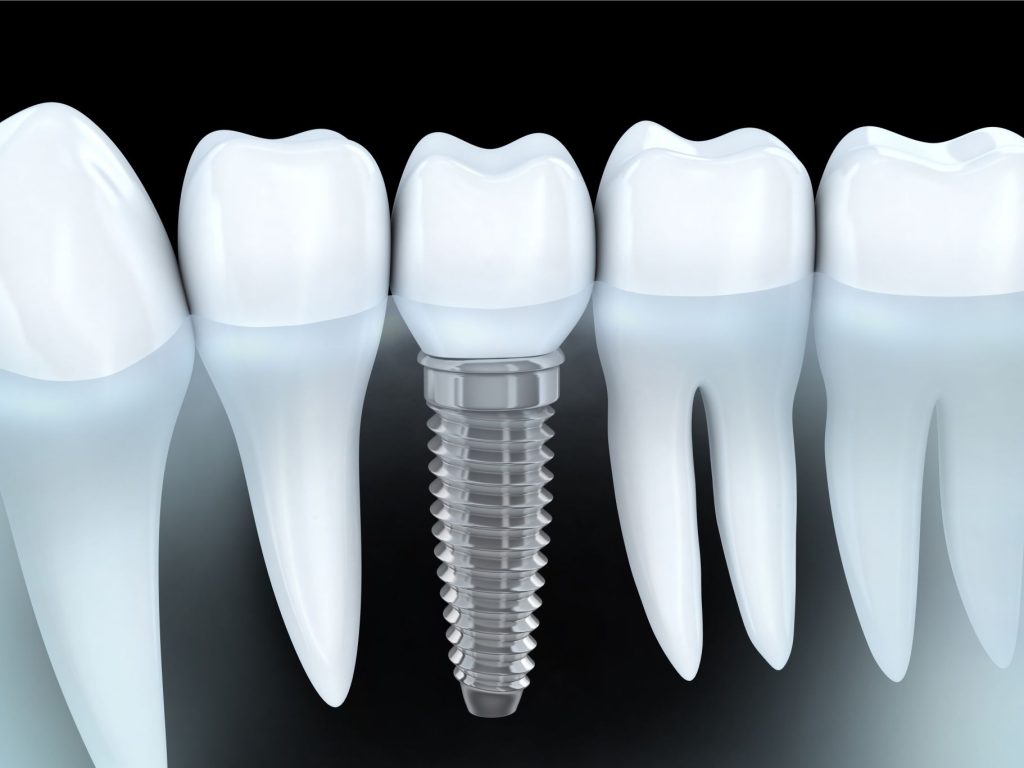
To appreciate the efficacy of dental implants, one must understand their components and how they interact with the human body. A dental implant is not merely a replacement tooth; it is a sophisticated prosthetic system composed of three main parts:
- The Implant Body: This is a biocompatible titanium or zirconia screw that is surgically inserted into the jawbone. It serves as the artificial root.
- The Abutment: A connector piece placed on top of the implant body once healing has occurred. It acts as the anchor for the visible restoration.
- The Crown: The custom-made prosthetic tooth that is attached to the abutment, designed to match the color and contour of the patient’s natural teeth.
The success of this system relies on a biological process known as osseointegration. Upon placement, the titanium implant fuses with the living bone tissue. This structural and functional connection allows the implant to transfer chewing forces directly to the jawbone, stimulating it much like a natural tooth root does. This stimulation is crucial for improving jawbone health and preventing the bone atrophy commonly seen with dentures or bridges.
Evaluating Candidacy for Implant Surgery
While dental implants are a preferred method for tooth replacement, not every patient is an immediate candidate. A comprehensive evaluation by a board-certified oral surgeon is required to determine suitability. Key factors include the patient’s overall health, the condition of the oral soft tissues, and, most critically, the quality and volume of the underlying bone.
Patients who have experienced long-term tooth loss may suffer from bone resorption, where the alveolar ridge shrinks due to lack of stimulation. However, this does not necessarily disqualify a patient from receiving implants. Modern techniques in innovative bone grafting allow surgeons to rebuild the necessary bone structure. Procedures such as ridge augmentation or a sinus lift for implants can create a solid foundation for future implant placement.
Age is generally not a restriction, provided the patient has completed skeletal growth; however, medical conditions such as uncontrolled diabetes or active periodontal disease must be managed prior to surgery. Consequently, the question “can you be too old for dental implants” is typically answered with a focus on systemic health rather than chronological age.
The Surgical Procedure: From Planning to Placement
The journey to a restored smile involves precise planning and execution. It begins with advanced imaging, typically using Cone Beam Computed Tomography (CBCT), which provides a 3D view of the nerves, sinuses, and bone density. This technology ensures the safe and accurate placement of the implant.
Step 1: Extraction and Site Preparation
If the damaged tooth is still present, an extraction is performed. In some cases, immediate implant placement is possible at the same time as the extraction. This approach, often discussed when patients ask “can I get my dental implants the same day as my extractions,” preserves the natural gum architecture and reduces treatment time. If the bone is insufficient, a socket preservation graft may be placed to prepare the site for a future implant.
Step 2: Implant Placement
The surgical placement is performed under local anesthesia, often supplemented with sedation for patient comfort. Sedation dentistry ensures that patients remain relaxed and pain-free throughout the procedure. The surgeon makes a small incision in the gum tissue to expose the bone, creates a precise channel, and inserts the implant fixture.
Step 3: Osseointegration and Healing
Following placement, a healing period of three to six months is typically required. During this phase, the bone grows around the implant, locking it in place. It is vital to follow postoperative instructions closely to avoid complications. Patients often inquire about factors that can influence dental implant success, and proper oral hygiene and smoking cessation are paramount during this window.
Step 4: Restoration
Once osseointegration is confirmed, the oral surgeon attaches the abutment. The patient is then referred back to their restorative dentist for the fabrication and placement of the final crown. For patients requiring full-arch restoration, concepts like the All-on-4 dental implants allow for a full set of fixed teeth to be supported by just four strategically placed implants.
Comparing Implants to Traditional Prosthetics
When weighing dental implants vs. dentures, the clinical advantages of implants are distinct. Traditional dentures rest on the gums and rely on suction or adhesives for stability. Over time, because they do not stimulate the jawbone, the bone recedes, leading to a loose fit and changes in facial structure, often creating a prematurely aged appearance.
Implants, conversely, are fixed and stable. They eliminate the slipping and clicking associated with dentures, allowing patients to eat a full range of nutritious foods. This stability contributes significantly to a patient’s quality of life and confidence. Furthermore, unlike dental bridges, implants do not require the alteration or capping of adjacent healthy teeth, preserving the overall integrity of the dentition.
Advanced Implant Solutions for Complex Cases
Oral and maxillofacial surgery has evolved to address even the most complex cases of edentulism (tooth loss). For patients missing a full arch of teeth, the All-on-4 treatment concept utilizes tilted implants to maximize contact with available bone, often eliminating the need for extensive grafting. This technique provides immediate function and aesthetics.
Additionally, dental implant innovations have led to the development of zirconia implants for patients with metal allergies and computer-guided surgery for sub-millimeter precision. Whether a patient requires a single tooth replacement or full-mouth rehabilitation, the customization available today ensures that functional and aesthetic goals are met with high predictability.
Recovery and Long-Term Maintenance
Post-surgical care is a critical component of the treatment plan. Immediately following surgery, patients may experience mild swelling or discomfort, which is managed with prescribed medications. Adhering to 5 dental implant aftercare tips, such as maintaining a soft diet and keeping the surgical site clean, accelerates the healing process.
Once the restoration is complete, dental implants require maintenance similar to natural teeth: daily brushing, flossing, and regular professional cleanings. Peri-implantitis, an inflammatory condition affecting the soft and hard tissues around an implant, can occur if oral hygiene is neglected. However, with proper care, dental implants can last a lifetime, making them a cost-effective long-term investment in health.
It is also worth noting the psychological benefits of restoration. Oral surgery and self-esteem are closely linked; restoring a complete smile often correlates with improved social interactions and psychological well-being.
Why Choose an Oral Surgeon?
While general dentists may offer implant services, oral and maxillofacial surgeons undergo years of additional hospital-based residency training focused specifically on surgery, anesthesia, and complications. This specialized training is vital when dealing with the complex anatomy of the sinuses, nerves, and jawbone. Choosing a specialist ensures that contingencies are managed safely and that the surgical plan is optimized for the best possible outcome.
Patients are encouraged to understand the benefits of choosing an oral surgeon for your dental needs. From safe administration of anesthesia to the management of potential facial trauma or complex bone deficiencies, the expertise of a surgeon provides a higher tier of safety and clinical excellence.
About Fort Worth Oral Surgery
Fort Worth Oral Surgery delivers expert oral and maxillofacial care in a modern, patient-focused setting in the heart of Fort Worth, TX. Their board-certified surgeons combine clinical excellence with compassion, ensuring every patient feels informed, cared for, and confident. From wisdom teeth to dental implants, FWOS is trusted for safe, comfortable, and cutting-edge surgical solutions. To learn more or to connect with the practice, please visit their social media profiles: Google Profile and Facebook.