Oral Surgery for Cleft Lip and Palate: Changing Lives with Expertise
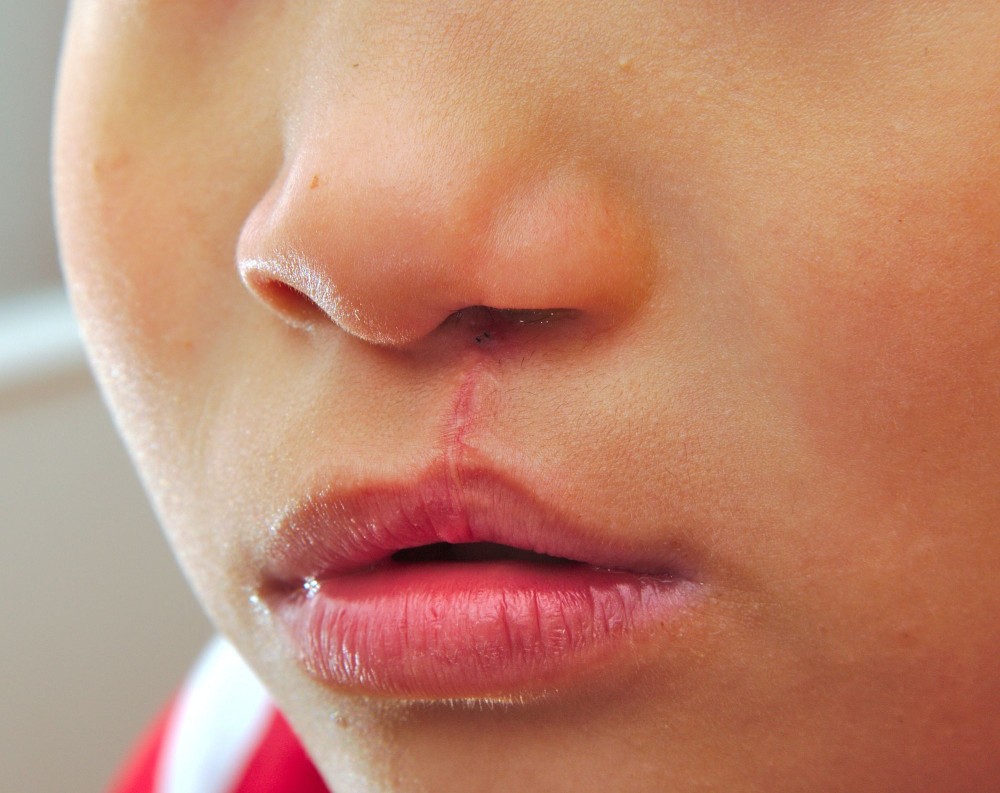
Cleft lip and cleft palate are among the most common congenital conditions affecting the craniofacial region. These conditions occur when facial structures that develop in an unborn baby do not close completely. While the initial diagnosis can be a source of anxiety for parents, modern oral and maxillofacial surgery offers transformative solutions that restore function, aesthetics, and confidence. The journey of treating a cleft lip or palate is often a multi-stage process involving a team of specialists, with the oral surgeon playing a pivotal role in reconstructing the jaw and dental arches to ensure proper growth and development.
The management of these conditions extends far beyond cosmetic improvement. It involves establishing proper breathing, speech, chewing function, and facial symmetry. Through advanced surgical techniques and compassionate care, oral surgeons help patients navigate the complex rehabilitative journey from infancy through adulthood.
Understanding the Cleft Condition
A cleft lip creates an opening in the upper lip that can extend into the nose, while a cleft palate involves the roof of the mouth. These can occur separately or together. The primary challenge caused by these fissures is the disruption of the continuity of the muscle and bone in the upper jaw (maxilla). This disruption affects feeding in infancy, speech development in childhood, and the eruption of permanent teeth during adolescence.
While plastic surgeons often perform the initial closure of the soft tissues in infancy, the underlying skeletal and dental defects fall within the specialized domain of the oral and maxillofacial surgeon. Addressing the bony defects is crucial for the stability of the dental arch and the long-term support of the nose and lip.
The Role of Alveolar Bone Grafting
One of the most significant contributions of oral surgery to cleft care is the repair of the alveolar cleft—the gap in the gum line where teeth reside. If left untreated, this gap prevents the permanent canine teeth (and sometimes lateral incisors) from erupting properly. It can also leave an opening (fistula) between the mouth and the nose, allowing fluids to escape nasally during drinking.
The standard of care typically involves bone grafting surgery, generally performed when the patient is between 8 and 12 years old. This timing is critical as it corresponds with the development of the permanent canine tooth. During this procedure, the surgeon harvests bone—often from the patient’s hip or using safe donor materials—and packs it into the cleft defect. This graft fuses with the existing maxilla to create a continuous upper jawbone.
Successful alveolar bone grafting achieves several goals:
- It provides a matrix for the permanent teeth to erupt into.
- It closes any remaining fistulas between the nose and mouth.
- It supports the base of the nose, improving facial symmetry.
- It enables the orthodontist to align teeth properly.
Understanding bone grafts is essential for parents, as this procedure sets the foundation for a functional adult bite. Without this intervention, the segments of the upper jaw may collapse, leading to severe crossbites and facial deformities.
Management of Impacted Teeth
In patients with cleft palate, dental anomalies are frequent. The lateral incisor located in the cleft area is often missing, malformed, or displaced. Furthermore, the canine tooth is frequently impacted, meaning it is stuck within the bone and cannot erupt naturally. Following the bone graft, oral surgeons often collaborate with orthodontists to manage these impacted canines.
Surgical exposure of the impacted tooth, followed by orthodontic traction, guides the tooth into the newly grafted bone. This process saves natural teeth that are vital for the structure of the dental arch. In cases where the natural teeth are missing or cannot be saved, the focus shifts to preparing the site for future restoration.
Correcting Jaw Discrepancies with Orthognathic Surgery
As children with clefts grow, the upper jaw may not develop at the same rate as the lower jaw. This is often due to scar tissue from earlier repair surgeries restricting maxillary growth. The result is a Class III malocclusion, or underbite, where the lower jaw appears to protrude significantly beyond the upper jaw. This discrepancy can affect chewing efficiency, speech articulation, and facial profile.
Once skeletal growth is complete—typically in the late teens—corrective jaw surgery (orthognathic surgery) may be indicated. This sophisticated procedure involves osteotomies (bone cuts) to reposition the upper jaw forward. In some cases, the lower jaw is also set back to achieve perfect alignment. This surgery dramatically improves the patient’s profile and occlusion (bite), finalizing the structural repair of the facial skeleton.
The psychological impact of facial reconstruction at this stage cannot be overstated. For many young adults, correcting the jaw alignment is the final step in a long journey, allowing them to enter adulthood with renewed self-esteem and a functional, aesthetic smile.
Dental Implants: The Final Restoration
Many individuals born with clefts are congenitally missing permanent teeth in the cleft region. Once the bone graft has healed and jaw growth is complete, replacing these missing teeth is necessary to complete the rehabilitation. Dental implants are considered the gold standard for tooth replacement in these scenarios.
Because the bone quality in a cleft site can be variable, the expertise of Ft. Worth Oral Surgery is vital in planning these placements. Sometimes, additional grafting or alveoloplasty (reshaping of the bone) is required to ensure the implant is stable and esthetically pleasing. Unlike dental bridges, which require reducing adjacent healthy teeth, implants preserve the surrounding dentition and stimulate the underlying bone to prevent atrophy.
For patients with extensive tooth loss associated with their condition, solutions such as All-on-4 dental implants may be considered later in life to provide a full arch restoration. The goal is always to provide a restoration that looks and feels like natural teeth.
Soft Tissue and Functional Considerations
Beyond the bone and teeth, oral surgeons must often address soft tissue issues. Scarring from initial primary closures can sometimes restrict lip mobility or create tightness in the mouth vestibule. Procedures to deepen the vestibule or release scar tissue can improve the fit of dental prosthetics and the range of motion for the lips.
Furthermore, maintaining overall oral health is paramount. The unique anatomy of a cleft palate can sometimes make areas of the mouth difficult to clean, increasing the risk of periodontal disease or pathology. Routine monitoring for oral pathology ensures that the soft tissues remain healthy throughout the reconstruction process.
Anesthesia and Patient Comfort
Cleft-related surgeries, from bone grafting to jaw reconstruction, are complex procedures. Ensuring patient safety and comfort is a top priority. Board-certified oral surgeons are extensively trained in sedation dentistry and general anesthesia. This allows patients to undergo lengthy procedures without pain or anxiety.
For younger patients, the experience of surgery can be intimidating. A professional team that specializes in oral surgery understands how to manage the emotional journey associated with these interventions, providing a supportive environment for both the patient and their family.
The Value of Specialized Care
Treating cleft lip and palate is not a single event but a continuum of care that spans nearly two decades of a patient’s life. It requires a provider who understands the intricate relationship between the teeth, the jawbones, and the facial soft tissues. While orthodontists straighten the teeth, the oral surgeon provides the skeletal foundation that makes that alignment possible.
Patients who have experienced facial trauma or have congenital defects benefit immensely from surgeons who are adept at reconstructive techniques. The principles used to rebuild a jaw after an accident are often similar to those used in cleft reconstruction, highlighting the versatility and technical depth of the oral and maxillofacial specialty.
Committing to Long-Term Care
The transformation seen in cleft lip and palate patients is one of the most rewarding aspects of oral and maxillofacial surgery. From the early days of alveolar bone grafting to the final placement of transformative dental implants, each step brings the patient closer to full function and esthetics.
By choosing a dedicated surgical team, families ensure that their loved ones receive the most advanced care available. The combination of surgical precision, advanced technology, and a deep understanding of facial growth allows patients to overcome the challenges of congenital defects and achieve a smile that reflects their true potential.
About Fort Worth Oral Surgery
Fort Worth Oral Surgery delivers expert oral and maxillofacial care in a modern, patient-focused setting in the heart of Fort Worth, TX. Their board-certified surgeons combine clinical excellence with compassion, ensuring every patient feels informed, cared for, and confident. From wisdom teeth to dental implants, FWOS is trusted for safe, comfortable, and cutting-edge surgical solutions.
Connect with Fort Worth Oral Surgery on social media: Google Maps and Facebook.