
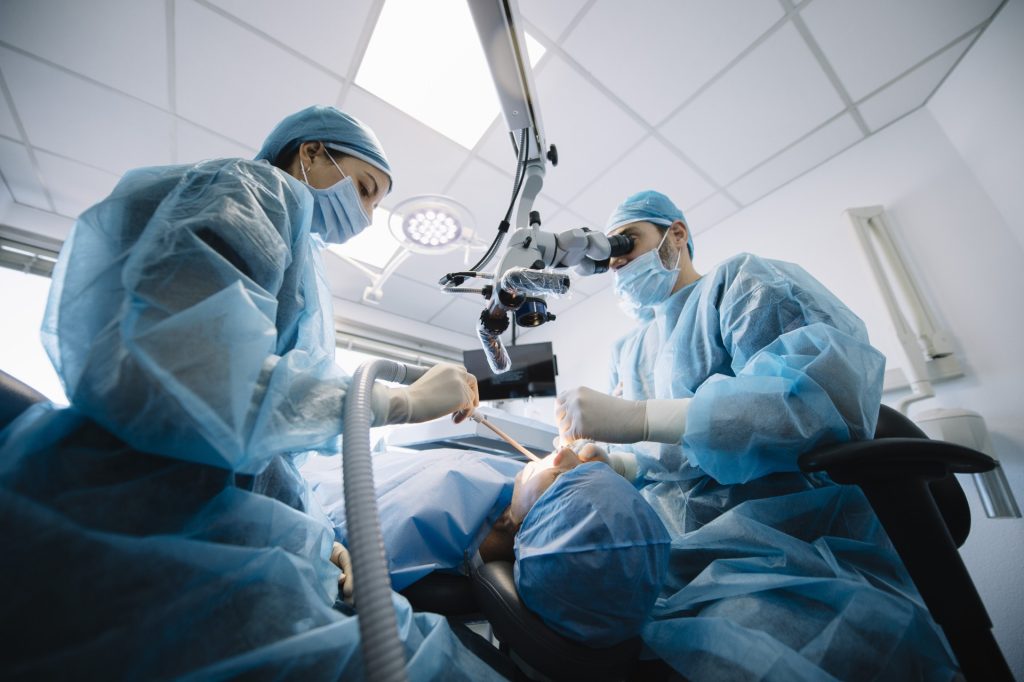
Signs You Might Need Oral Surgery and When to Consult a Specialist
Maintaing optimal oral health often requires more than a daily routine of brushing, flossing, and biannual cleanings. While general dentists are capable of handling a wide array of preventative and restorative procedures, certain conditions necessitate the advanced expertise of an oral and maxillofacial surgeon. These specialists undergo years of additional hospital-based surgical anesthesia training after dental school, equipping them to treat complex issues related to the face, mouth, and jaws.
Recognizing the indicators that surgical intervention is required is the first step toward restoring function and aesthetics. From impacted wisdom teeth to bone deficiencies requiring grafting, understanding these signs can prevent minor issues from evolving into systemic health complications.
Persistent Pain and Impacted Wisdom Teeth
One of the most common reasons patients are referred to an oral surgeon involves the third molars, commonly known as wisdom teeth. These teeth typically emerge during late adolescence or early adulthood. However, the modern human jaw often lacks the space to accommodate them, leading to impaction. An impacted tooth is one that is blocked from entering the mouth fully, either by gum tissue or bone.
Patients should be vigilant regarding signs of impacted wisdom teeth. Symptoms often include pain in the back of the mouth, swelling of the gums, difficulty opening the jaw (trismus), or an unpleasant taste indicating infection. If left untreated, impacted teeth can damage adjacent healthy teeth, cause cysts, or lead to severe infections known as pericoronitis.
While some patients may feel apprehensive, understanding what you need to know about wisdom teeth removal can alleviate concerns. Timely extraction is clinically recommended to prevent long-term alignment issues and pathology.
Tooth Loss and the Necessity of Dental Implants
Tooth loss can occur due to trauma, decay, or periodontal disease. Beyond the cosmetic impact, missing teeth lead to functional deficits, including difficulty chewing and speech impediments. Furthermore, the absence of tooth roots accelerates the resorption of the alveolar bone, changing facial structure over time.
For patients seeking a permanent solution, dental implants are widely considered the gold standard for tooth replacement. Unlike traditional dentures, implants fuse with the jawbone through a process called osseointegration, providing a stable foundation that mimics a natural tooth root. Whether a patient requires a single tooth replacement or a full-arch restoration, consulting a specialist is crucial to determine candidacy.
For individuals missing an entire arch of teeth, advanced techniques such as All-on-4 dental implants offer a streamlined solution. This procedure utilizes four strategically placed implants to support a full fixed bridge, often eliminating the need for extensive bone grafting compared to traditional methods.
Bone Insufficiency and Grafting Procedures
A prerequisite for successful implant placement is sufficient bone volume and density. When a tooth has been missing for an extended period, the jawbone naturally atrophies. In the past, this often disqualified patients from receiving implants. However, modern oral surgery provides solutions through various bone regeneration techniques.
Specialists utilize innovative bone grafting methods to rebuild the height and width of the alveolar ridge. This may involve using the patient’s own bone, processed bone materials, or synthetic substitutes to create a scaffold for new bone growth. Understanding bone grafting for implants is essential for patients who have been told they have “thin” or “insufficient” jawbone structure.
In cases where the upper jaw (maxilla) lacks sufficient bone height due to the proximity of the sinus cavity, a procedure known as a sinus lift may be required. This surgery elevates the sinus membrane and places bone graft material underneath, creating adequate space for implant insertion.
Facial Trauma and Fractures
Injuries to the face can be physically and emotionally distressing. Facial trauma encompasses fractures of the jaw, cheekbones, eye sockets (orbit), and nose, as well as soft tissue lacerations inside the mouth. These injuries typically result from motor vehicle accidents, sports mishaps, or accidental falls.
Treating these injuries requires a deep understanding of facial anatomy to restore both function and appearance. Proper facial trauma recovery care is critical to ensure that fractures heal correctly, preserving the patient’s bite alignment (occlusion) and facial symmetry. Oral surgeons are uniquely qualified to manage the facial trauma rehabilitation process, often utilizing rigid fixation techniques with small plates and screws to stabilize fractured bones without wiring the jaws shut.
Oral Pathology and Mucosal Changes
The inside of the mouth is lined with a special type of skin called mucosa, which should generally appear smooth and coral pink. Alterations in this appearance can be warning signs of pathological processes. These changes might present as reddish or whitish patches (erythroplakia or leukoplakia), sores that fail to heal, lumps, or thickening of the lining of the mouth.
While not all abnormalities are cancerous, early detection is vital. Understanding oral pathology involves recognizing that any persistent change in the mouth warrants a professional evaluation. An oral surgeon can perform a biopsy to diagnose the condition accurately and determine the appropriate course of treatment. This vigilance is a key component of comprehensive oral health care.
Management of Impacted Canines
The maxillary cuspid (upper eyetooth) is the second most common tooth to become impacted, after wisdom teeth. These teeth are critical for the dental arch, playing a significant role in the bite and facial aesthetics. Unlike wisdom teeth, which are usually extracted, the goal with impacted canines is typically to guide them into their proper position.
This process often requires a multidisciplinary approach involving an orthodontist and an oral surgeon. The surgeon performs impacted canine treatment by surgically exposing the tooth and bonding a bracket to it, allowing the orthodontist to gradually move the tooth into alignment. Ignoring symptoms of impacted teeth, including canines, can lead to the loss of these vital teeth and subsequent orthodontic complications.
Complex Tooth Extractions
While general dentists perform many extractions, complex cases are frequently referred to oral surgeons. This includes teeth that are fractured below the gum line, teeth with curved or entangled roots, or patients with medical histories that increase surgical risk. Surgical extractions in a specialized setting ensure that the tooth is removed safely with minimal trauma to the surrounding bone and tissue.
Furthermore, specialists are adept at preventing and managing complications such as alveolar osteitis. Patients are educated on dry socket prevention to ensure a smooth postoperative recovery. The preservation of the extraction socket is often prioritized to facilitate future implant placement.
The Role of Sedation Dentistry
Anxiety regarding dental procedures is a common barrier that prevents many individuals from seeking necessary care. Oral surgeons are trained in advanced anesthesia protocols, including intravenous (IV) sedation and general anesthesia. This allows for a level of comfort that typically cannot be achieved with local anesthesia alone.
Discussing sedation dentistry options during a consultation can significantly alleviate fear. Whether a patient requires a simple extraction or complex reconstructive surgery, sedation ensures the patient remains calm and comfortable throughout the procedure. It also allows the surgeon to work more efficiently, often combining multiple procedures into a single visit.
Obstructive Sleep Apnea
Sleep apnea is a serious disorder where breathing repeatedly stops and starts during sleep. While often treated with a CPAP machine, some cases are caused by structural abnormalities in the jaw or airway that require surgical correction. Oral surgeons can evaluate the upper airway and perform procedures to enlarge the breathing passages. Addressing sleep apnea surgically can have profound effects on a patient’s cardiovascular health and overall quality of life.
Choosing the Right Specialist
When facing complex oral health issues, the selection of a provider is a significant decision. Board-certified oral and maxillofacial surgeons offer a depth of clinical experience and surgical precision that ensures the highest standard of care. From the initial diagnosis to postoperative recovery, the focus remains on patient safety and long-term success.
For residents in the Tarrant County area, Ft. Worth Oral Surgery represents a hub of clinical excellence. Recognizing the signs that surgery is necessary—whether it be pain, trauma, or the desire for reconstructive implants—allows patients to take proactive steps toward rehabilitation.
Understanding the broad scope of oral surgery helps demystify these procedures. It changes the narrative from one of fear to one of empowerment, where surgical intervention is viewed as a pathway to restored health, function, and confidence. If any of the symptoms or conditions discussed above are present, scheduling a consultation with a specialist is the prudent course of action.
About Fort Worth Oral Surgery
Fort Worth Oral Surgery delivers expert oral and maxillofacial care in a modern, patient-focused setting in the heart of Fort Worth, TX. Their board-certified surgeons combine clinical excellence with compassion, ensuring every patient feels informed, cared for, and confident. From wisdom teeth to dental implants, FWOS is trusted for safe, comfortable, and cutting-edge surgical solutions.
To learn more or to schedule a consultation, visit their social media profiles for updates and patient information: Google Maps and Facebook.