
Understanding TMJ Disorders and Surgical Treatment Options
The temporomandibular joint (TMJ) is one of the most complex and frequently used joints in the human body. Acting as a sliding hinge connecting the jawbone to the skull, this joint allows for the essential functions of talking, chewing, and yawning. However, when dysfunction occurs within this system, it can lead to a condition collectively known as temporomandibular joint disorder (TMD). These disorders can cause significant pain and impairment in jaw movement. While many cases of TMD can be managed with non-invasive therapies, there are instances where surgical intervention is required to restore function and alleviate chronic pain.
Understanding the anatomy of the jaw, the nature of these disorders, and the spectrum of treatment options is vital for patients experiencing symptoms. Ft. Worth Oral Surgery provides comprehensive evaluation and care for patients suffering from these complex conditions, utilizing advanced diagnostic tools and surgical techniques.
The Anatomy and Function of the Temporomandibular Joint
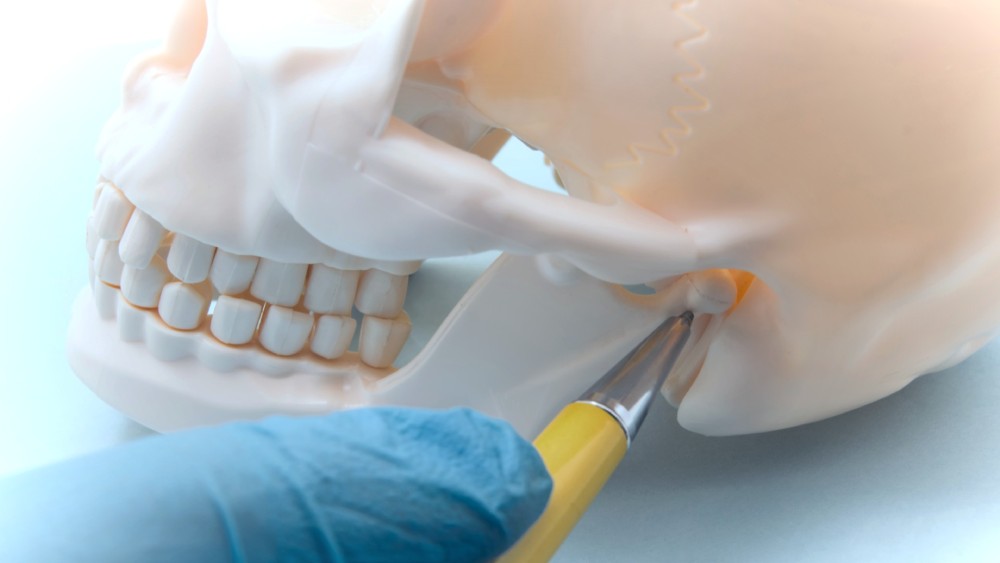
To understand the disorders affecting the jaw, one must first understand the anatomy. The TMJ is located on each side of the head, just in front of the ears. It is formed by the condyle of the mandible (the lower jaw) and the articular fossa of the temporal bone (part of the skull). Separating these two bone surfaces is a small, shock-absorbing disc composed of cartilage. This disc ensures smooth movement as the jaw opens, closes, and moves side-to-side.
The stability and movement of the TMJ are controlled by a complex system of muscles and ligaments. When all components—bone, disc, and muscle—work in harmony, the jaw functions without pain or noise. However, how teeth and the jaw bone work together plays a significant role in overall joint health. Malocclusion, or a bad bite, can place undue stress on the joint, potentially precipitating dysfunction.
Identifying Symptoms and Causes of TMD
Temporomandibular joint disorders can manifest through a variety of symptoms, ranging from mild discomfort to severe, debilitating pain. Patients often report tenderness in the jaw, aching facial pain, and difficulty or pain while chewing. A clicking, popping, or grating sound (crepitus) when opening or closing the mouth is also common, though joint noise without pain does not always indicate a disorder requiring treatment.
More severe symptoms include locking of the joint, making it difficult to open or close the mouth fully. In some cases, the pain can radiate to the ear or neck, mimicking other conditions. The causes of TMD are often multifactorial. Trauma to the jaw or head is a frequent precipitating factor. Patients requiring facial trauma recovery care often need assessment for TMJ injuries. Other causes include arthritis (osteoarthritis or rheumatoid arthritis), erosion of the joint, chronic teeth grinding (bruxism), or structural misalignment present from birth.
Diagnostic Approaches to Jaw Dysfunction
Accurate diagnosis is the cornerstone of effective treatment. An oral and maxillofacial surgeon will conduct a thorough clinical examination. This includes listening to the joint sounds, observing the range of motion, and palpating the muscles of mastication for tenderness. The surgeon will also evaluate the patient’s bite to determine if dental issues are contributing to the problem.
Advanced imaging is frequently employed to visualize the hard and soft tissues of the joint. Panoramic X-rays provide a broad view of the jaw, teeth, and sinuses. However, for a detailed assessment of the joint space and the position of the articular disc, Magnetic Resonance Imaging (MRI) or Cone Beam Computed Tomography (CBCT) may be necessary. These diagnostic modalities allow the surgical team to distinguish between muscular issues and internal derangements of the joint, such as disc displacement or bone degeneration.
Non-Surgical Management Strategies
In the majority of cases, the initial approach to treating TMD involves conservative, non-surgical management. The goal is to relieve muscle spasms and reduce joint inflammation. Treatment may include the use of non-steroidal anti-inflammatory drugs (NSAIDs), muscle relaxants, or warm and cold compresses. Biofeedback and stress management can be effective if tension or stress-induced clenching is a contributing factor.
Occlusal splints or night guards are commonly prescribed. These custom-made devices fit over the teeth and prevent the upper and lower teeth from engaging, thereby reducing the pressure on the jaw joint and relaxing the muscles. Physical therapy, including gentle stretching and strengthening exercises, can also improve range of motion. Only when these conservative measures fail to provide relief, or when there is clear evidence of joint pathology, is surgery considered. Patients wondering questions to ask your oral surgeon should inquire about the hierarchy of treatment options available for their specific condition.
Minimally Invasive Surgical Options
When surgery is indicated, oral and maxillofacial surgeons often begin with minimally invasive procedures. These techniques are designed to diagnose and treat the joint with minimal disruption to the surrounding tissues.
Arthrocentesis
Arthrocentesis is a procedure involving the lavage, or washing out, of the joint space. This is typically performed under local anesthesia or sedation. Sterile needles are inserted into the joint space, and a sterile fluid is used to irrigate the joint. This process removes inflammatory chemical byproducts and can help release the articular disc if it is stuck due to a vacuum effect or adhesions. Often, steroids or lubricants are injected into the joint to further reduce inflammation and improve mobility.
TMJ Arthroscopy
Arthroscopy represents a significant advancement in TMJ surgery. During this procedure, a small cannula is inserted into the joint space, through which a miniature arthroscope (camera) is introduced. This allows the surgeon to directly visualize the interior of the joint. Through the arthroscope, the surgeon can remove scar tissue, smooth rough bone surfaces, and reposition the disc. Arthroscopy is less invasive than open surgery, typically resulting in shorter recovery times and less scarring.
Open Joint Surgery (Arthroplasty)
In cases where the internal structural problems of the joint are too complex for arthroscopy, open joint surgery, or arthroplasty, may be necessary. This approach requires an incision to expose the joint directly. Open surgery is indicated for treating tumors, severe scarring, bony ankylosis (fusion of the bone), or severe degeneration of the bone or cartilage.
During an arthroplasty, the surgeon may repair or reposition the articular disc (meniscoplasty) or remove the disc entirely (discectomy) if it is irreparably damaged. If the disc is removed, it may be replaced with the patient’s own tissue or an artificial material. Understanding the complexities of oral pathology is crucial in these cases, especially if tumors or cysts are involved in the joint dysfunction.
Total Joint Replacement
For patients with end-stage joint disease where the bony structures are severely eroded or fused, total joint replacement may be the only viable option. This is often seen in severe cases of osteoarthritis, rheumatoid arthritis, or after severe trauma. Similar to a knee or hip replacement, the diseased parts of the jaw joint are removed and replaced with a custom-made prosthesis. This prosthetic system replicates the ball-and-socket function of the natural joint, aiming to restore the patient’s ability to open their mouth and chew comfortably.
While this is a major surgical undertaking, the outcomes for restoring quality of life in patients with severe debilitating disease are often profound. The planning for such procedures utilizes advanced 3D imaging and computer-assisted design to ensure the prosthesis fits the patient’s anatomy perfectly.
The Role of Sedation and Patient Comfort
Fear and anxiety are common among patients facing oral surgery. Ensuring patient comfort is a priority during any TMJ procedure, whether it is a simple arthrocentesis or a complex joint reconstruction. Sedation dentistry plays a critical role in this process. Options range from nitrous oxide and oral sedation to IV sedation and general anesthesia, depending on the complexity of the procedure and the patient’s anxiety level.
Board-certified oral surgeons are trained in the administration of anesthesia, ensuring a safe and comfortable experience. Understanding the types of sedation for oral surgery helps patients feel more empowered and less anxious about their treatment plan.
Post-Operative Recovery and Rehabilitation
Recovery from TMJ surgery varies depending on the procedure performed. Following minimally invasive procedures like arthrocentesis, recovery is relatively quick, often taking a few days. Open joint surgeries require a longer healing period. Patients will typically be placed on a modified diet to avoid stressing the healing joint. Following post-op instructions strictly is essential for surgical success.
Physical therapy usually begins shortly after surgery to prevent the formation of scar tissue and to guide the jaw into proper movement patterns. Pain management is also a critical component of the recovery phase. The surgical team monitors the patient closely to ensure that healing is progressing as expected and that function is being restored.
Expert Care for Jaw Disorders
Temporomandibular joint disorders can significantly impact a person’s life, affecting their ability to eat, speak, and live without pain. While the anatomy is complex, modern oral and maxillofacial surgery offers a range of solutions from conservative management to advanced reconstruction. Whether the issue stems from facial trauma, arthritis, or developmental anomalies, seeking care from qualified specialists is the first step toward relief.
Fort Worth Oral Surgery delivers expert oral and maxillofacial care in a modern, patient-focused setting in the heart of Fort Worth, TX. Their board-certified surgeons combine clinical excellence with compassion, ensuring every patient feels informed, cared for, and confident. From wisdom teeth to dental implants, FWOS is trusted for safe, comfortable, and cutting-edge surgical solutions. To learn more or schedule a consultation, visit their social media pages at Google and Facebook.