
Wisdom Teeth Removal: What to Expect Before, During, and After Surgery
For many individuals, the emergence of third molars, commonly known as wisdom teeth, represents a significant milestone in dental development. Occurring typically between the ages of 17 and 25, the arrival of these teeth often necessitates surgical intervention due to a lack of space in the jaw. While the prospect of oral surgery may induce anxiety in some patients, understanding the clinical process can significantly alleviate concerns. A comprehensive grasp of what occurs before, during, and after the procedure empowers patients to participate actively in their recovery and ensures optimal oral health outcomes.
This detailed guide outlines the biological necessity of extractions, the surgical steps involved, and the crucial postoperative care required for a smooth recovery.
Evaluating the Need for Extraction
Wisdom teeth are evolutionary remnants that often become problematic in modern human jaws, which are typically smaller than those of our ancestors. When these molars cannot erupt properly, they are classified as impacted. Impaction can occur in soft tissue or bone, leading to a variety of oral health complications. If left untreated, impacted teeth can cause damage to adjacent molars, formation of cysts, and pericoronitis—a localized infection of the gum tissue.
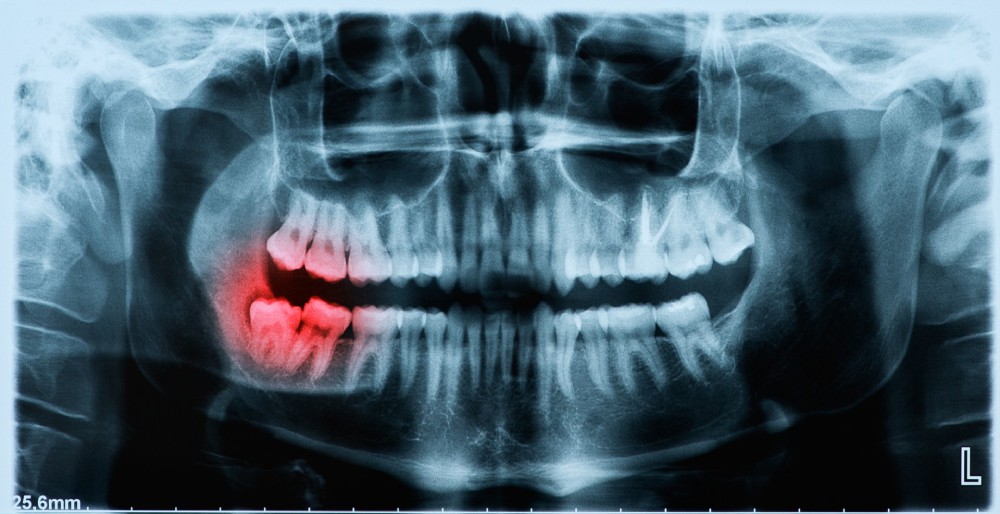
Determining the necessity of surgery begins with a thorough clinical examination. Dental professionals utilize advanced imaging, such as panoramic X-rays or 3D cone beam CT scans, to visualize the position of the roots and their proximity to the inferior alveolar nerve. Patients should be aware of the signs that removal is necessary, which may include jaw pain, swelling, or persistent bad breath. However, in many cases, surgeons recommend removing these teeth prophylactically before symptoms arise to prevent future pathology and ensure easier surgical recovery.
There are distinct clinical advantages to addressing these issues early. Younger patients typically have softer bone and incompletely formed roots, making the extraction less invasive and recovery faster. Delaying the procedure often leads to more complex surgeries and a higher risk of complications. Understanding why waiting to remove wisdom teeth is inadvisable is a key component of patient education.
The Pre-Operative Consultation and Preparation
Once the decision is made to proceed with surgery, the pre-operative consultation serves as the planning phase. During this appointment, the oral surgeon reviews the patient’s medical history, current medications, and any specific anxieties regarding the procedure. This is the appropriate time to discuss anesthesia options.
Most wisdom tooth extractions are performed under intravenous (IV) sedation or general anesthesia, allowing the patient to sleep through the procedure comfortably. For those with significant dental anxiety, sedation dentistry offers a safe and effective way to undergo treatment without stress. The surgical team provides specific pre-operative instructions, which generally include fasting for at least eight hours prior to surgery (nothing to eat or drink) and arranging for a responsible adult to drive the patient home and monitor them for the remainder of the day.
The Surgical Procedure: A Step-by-Step Guide
On the day of surgery, the focus is on patient safety and comfort. Once the patient is seated and monitors are attached to track vital signs, the anesthesia is administered. The surgery typically takes between 30 to 60 minutes, depending on the complexity of the impactions.
The wisdom teeth removal process follows a structured surgical protocol:
- Incision: The surgeon makes an incision in the gum tissue to expose the tooth and bone.
- Bone Removal: If bone blocks access to the tooth root, a small amount is removed to facilitate extraction.
- Sectioning: To minimize trauma to the surrounding bone, the tooth is often divided into smaller sections. This allows the surgeon to remove the tooth in pieces rather than forcing it out whole.
- Extraction: The tooth fragments are carefully removed.
- Cleaning and Suturing: The site is irrigated to remove any debris. In most cases, the surgeon places dissolvable stitches to close the wound and promote healing.
- Hemostasis: Gauze is placed over the extraction site to control bleeding and aid in the formation of a blood clot.
Understanding the precision involved in surgical extractions helps patients appreciate the expertise required to preserve jawbone integrity and minimize post-operative discomfort.
Immediate Post-Operative Care: The First 24 Hours
The initial 24 hours following surgery are critical for establishing a foundation for healing. Upon waking from anesthesia, patients may feel groggy and will have gauze packs in their mouth. It is imperative to keep firm pressure on these gauze packs, changing them every 30 to 45 minutes until active bleeding subsides. Light oozing is normal for the first day.
Pain management protocols should be initiated before the local anesthesia wears off completely. Surgeons typically prescribe analgesic medication or recommend specific over-the-counter regimens. Additionally, the application of ice packs to the outside of the face—20 minutes on, 20 minutes off—is highly effective in reducing anticipated swelling.
Dietary restrictions are strict during this phase. Patients must stick to a liquid or soft food diet, avoiding anything hot, spicy, or crunchy. Hydration is vital, but straws must be strictly avoided. The suction created by using a straw can dislodge the blood clot forming in the socket, leading to a painful complication known as dry socket. For a list of suitable dietary options, patients can review foods suitable for recovery.
Navigating the Recovery Timeline
Recovery is a gradual process, and patients should expect symptoms to evolve over the first week. Swelling typically peaks on the second or third day post-surgery and then begins to subside. Bruising along the jawline or neck may also occur and is a normal physiological response to surgery.
By the third or fourth day, patients can often transition to semi-solid foods like scrambled eggs, mashed potatoes, and oatmeal. Oral hygiene is essential during this time to prevent infection. While vigorous rinsing is prohibited in the first 24 hours, gentle rinsing with warm salt water is encouraged starting on day two to keep the surgical sites clean. Patients should continue to avoid specific actions such as smoking or heavy lifting, which can elevate blood pressure and disrupt the healing wounds.
Most patients feel well enough to return to work or school within three to five days, although this varies depending on the complexity of the surgery and individual healing rates. Complete remodeling of the gum tissue and bone takes several weeks to months.
Managing Complications: Prevention is Key
While wisdom tooth extraction is a routine procedure, complications can arise if post-operative instructions are not followed. The most common complication is alveolar osteitis, or dry socket. This occurs when the blood clot fails to develop or is dislodged, exposing the underlying bone and nerves to air and food debris.
To mitigate this risk, patients must adhere strictly to the guidelines regarding smoking and straw use. Understanding how to avoid a dry socket is the best defense against this painful condition. If a dry socket does occur, the surgeon can place a medicated dressing in the socket to provide immediate relief.
Infection is another potential risk. Signs include fever, persistent swelling that worsens after three days, or a foul taste in the mouth. Ensuring the mouth is kept clean through gentle saltwater rinses significantly reduces this risk. For more details on maintaining a healthy recovery environment, patients should consult resources on dry socket prevention and general wound care.
The Role of the Board-Certified Oral Surgeon
While some general dentists perform simple extractions, impacted wisdom teeth often require the specialized skills of an oral and maxillofacial surgeon. These specialists undergo years of additional hospital-based anesthesia and surgical training after dental school. This expertise ensures they are equipped to handle complex anatomical variations, administer deep sedation safely, and manage any unforeseen complications.
Choosing a specialist provides peace of mind that the procedure is being handled with the highest standards of care. Whether the patient requires a simple extraction or has high-risk impactions near the nerve, the benefits of choosing an oral surgeon are evident in the safety protocols and clinical outcomes.
Patients with questions regarding the necessity of removal or the timing of the procedure can find clarity by exploring the decision-making process for wisdom teeth. Ultimately, the goal is to resolve current pain and prevent future pathology, contributing to a lifetime of better oral health.
About Fort Worth Oral Surgery
Fort Worth Oral Surgery delivers expert oral and maxillofacial care in a modern, patient-focused setting in the heart of Fort Worth, TX. Their board-certified surgeons combine clinical excellence with compassion, ensuring every patient feels informed, cared for, and confident. From wisdom teeth to dental implants, FWOS is trusted for safe, comfortable, and cutting-edge surgical solutions.
To connect with Fort Worth Oral Surgery and stay updated on the latest in oral health care, please visit their social media pages: Google Business Profile and Facebook.